When the Japanese army occupied eastern China in 1937, the national government moved west, and Kunming became one of the most important cities in free China. It was the terminus of the Burma Road, the supply line that kept the country connected to the outside world, and the base for the American Volunteer Group — the Flying Tigers — and later the US Fourteenth Air Force.
Universities in exile
Three of China’s leading universities — Peking, Tsinghua and Nankai — fled to Kunming and formed the National Southwestern Associated University. For eight years, some of the country’s best scholars taught in makeshift buildings on the city’s edge. The university produced Nobel laureates, poets and scientists, and it became a symbol of intellectual resistance.
The site is now a museum and a memorial on the campus of Yunnan Normal University. It is small, quiet and moving.
The Flying Tigers
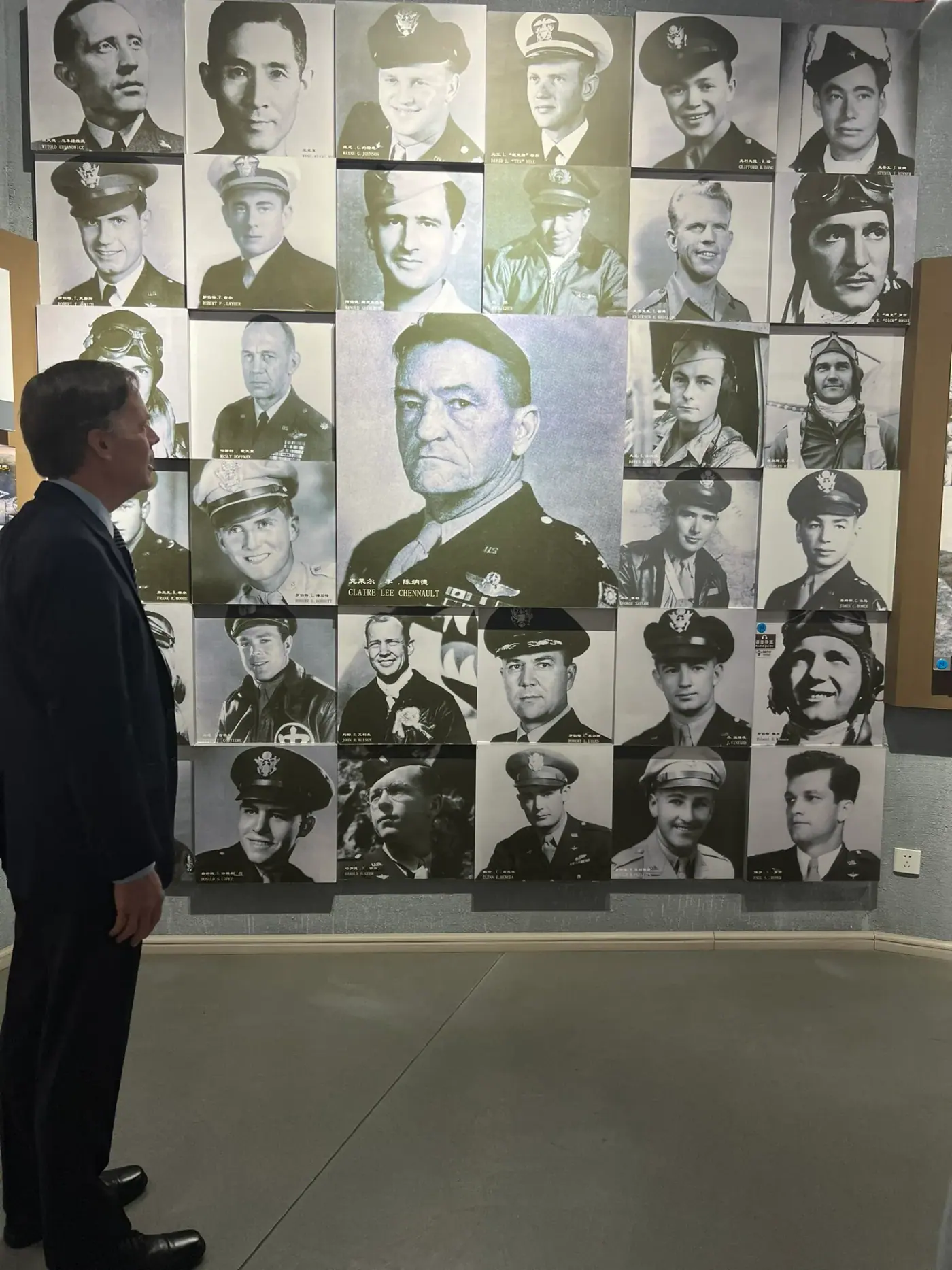
The American Volunteer Group, commanded by Claire Chennault, trained in Kunming and flew against Japanese aircraft over Burma and southwest China. Their shark-mouthed P-40s became famous, and the museum dedicated to them — the Flying Tigers Museum, near the city’s airport side — displays aircraft, photographs and uniforms.
The Burma Road
The Burma Road was built by hand, largely by local labour, to carry supplies from Rangoon into Yunnan after the coast was cut off. Its story is one of the great logistics feats of the war, and it reshaped the province’s roads and towns.
What remains
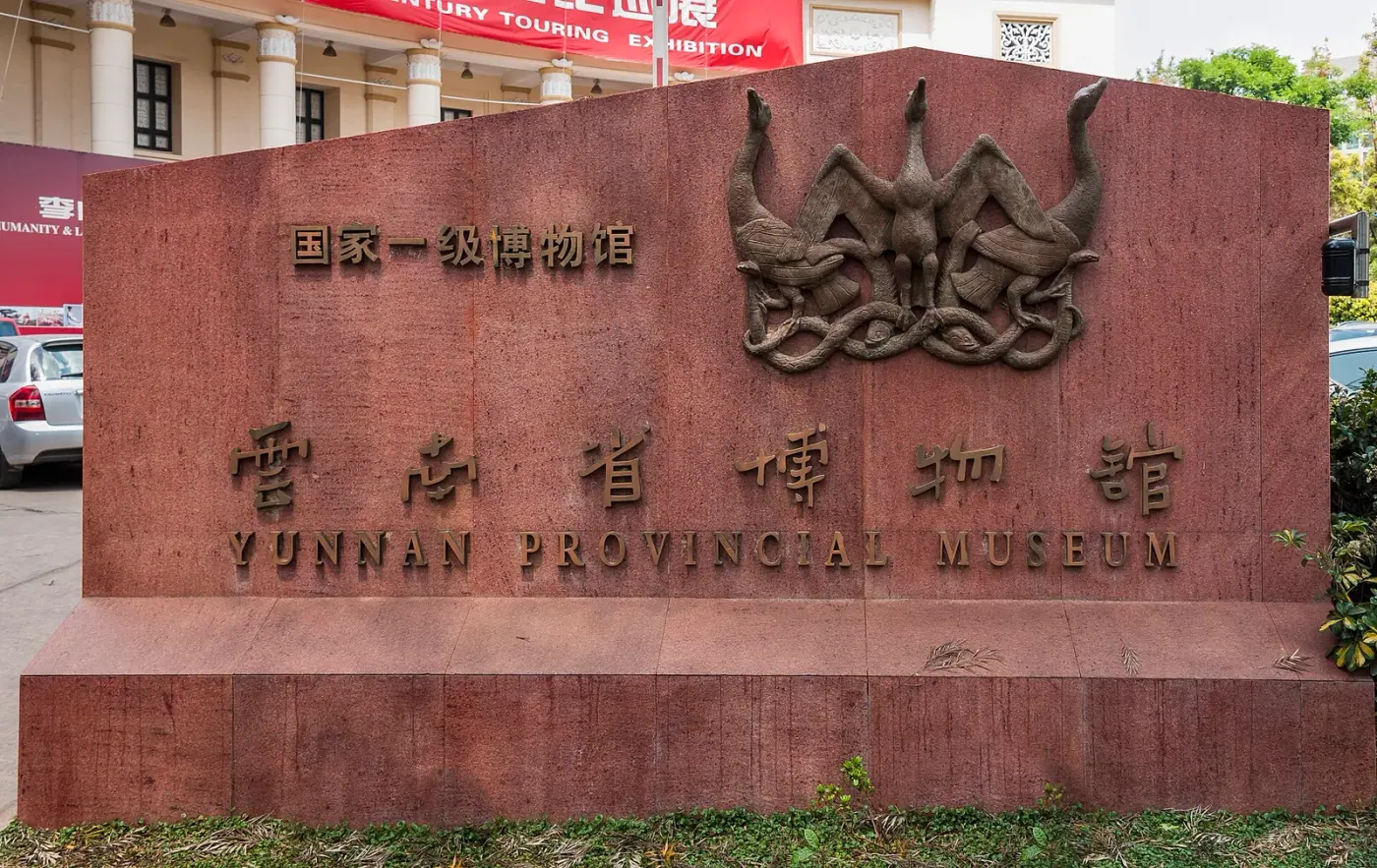
Kunming’s wartime architecture has mostly been replaced by redevelopment, but the memorials, the university site and the Flying Tigers museum keep the story alive. The Yunnan Provincial Museum also covers the period.
Why it matters
The war years explain why Kunming has a cosmopolitan streak unusual for a southwestern city: refugee scholars, American pilots, Burmese traders and Yunnanese soldiers all passed through. That history is still part of the city’s self-image.