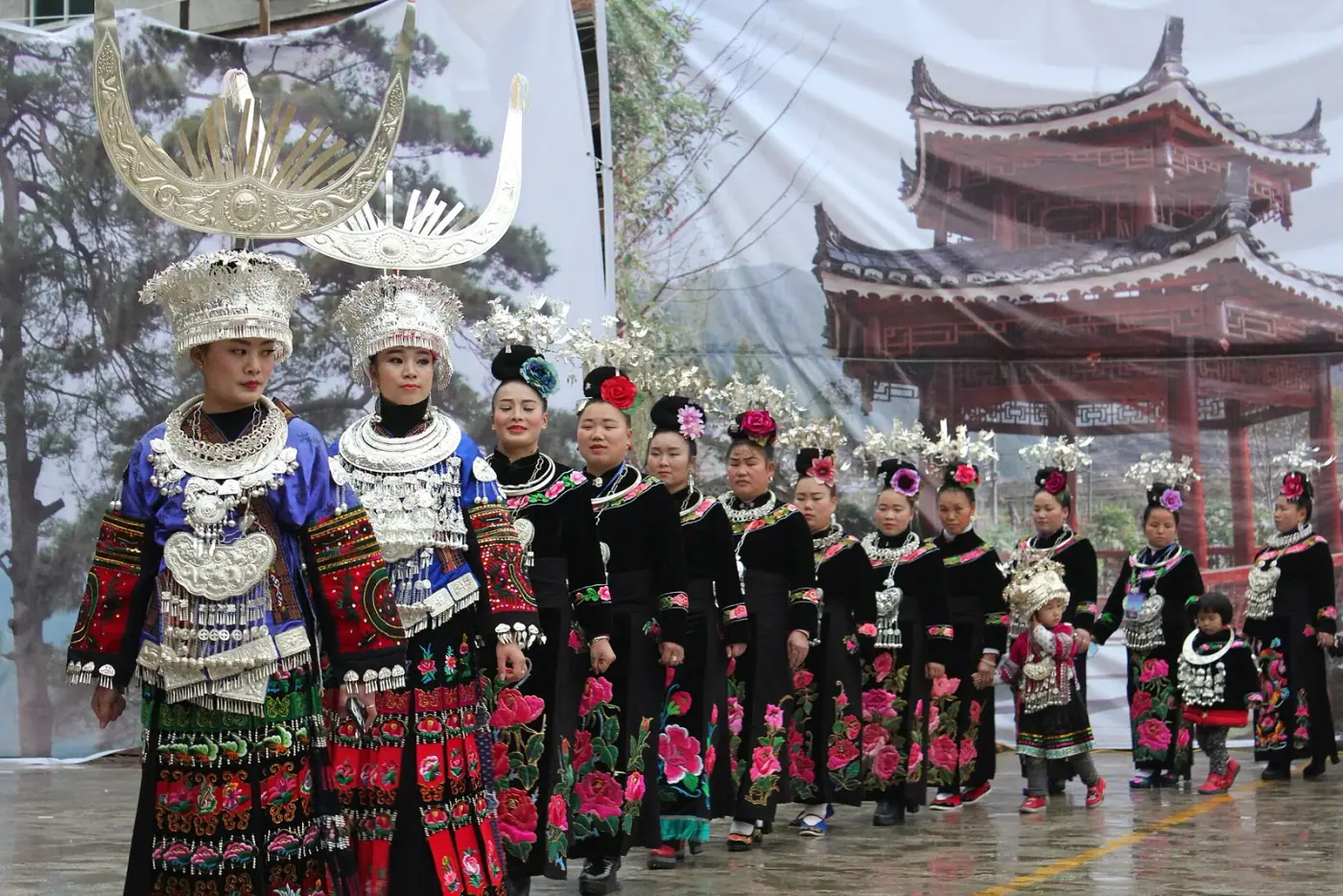
Yunnan has 25 officially recognised ethnic minority groups, plus several smaller communities that are not formally classified. Together they make up roughly a third of the province’s population. The result is a patchwork of languages, clothing, festivals and food that is unlike anywhere else in China.
The main groups
The Yi are the largest minority in Yunnan, with communities across the north and centre. The Bai live around Dali, known for their architecture and market towns. The Dai live in the tropical south, around Xishuangbanna, and are Buddhist. The Hani are famous for the rice terraces of Yuanyang. The Naxi live around Lijiang, with their Dongba script. The Tibetans live in the northwest, around Shangri-La.
Where to see it in Kunming
The Yunnan Nationalities Museum is the best single introduction: costumes, tools, music and a clear explanation of who lives where. It is quiet, well labelled and free.
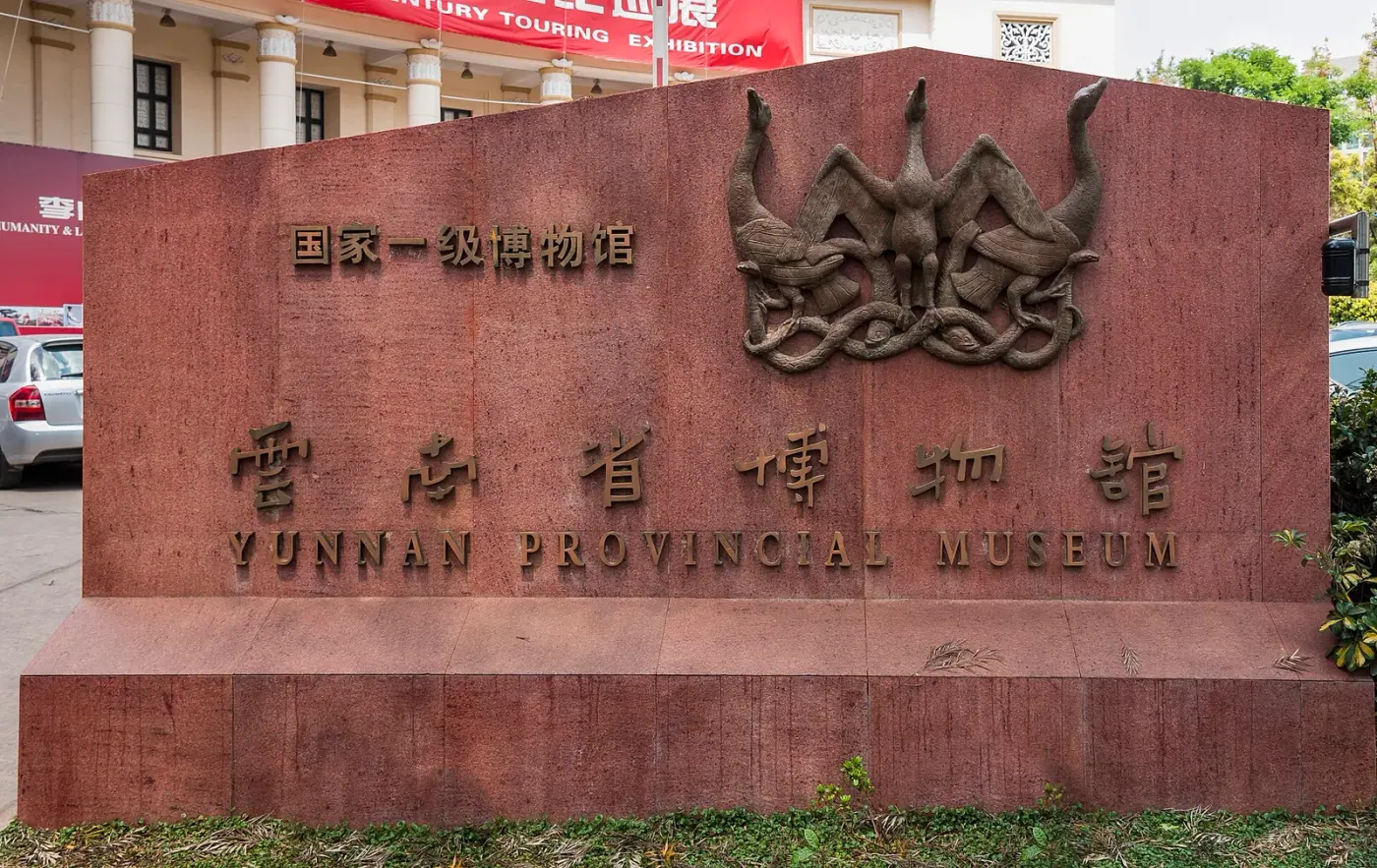
The Yunnan Provincial Museum covers the broader history of the province, including the bronze cultures of Dian.
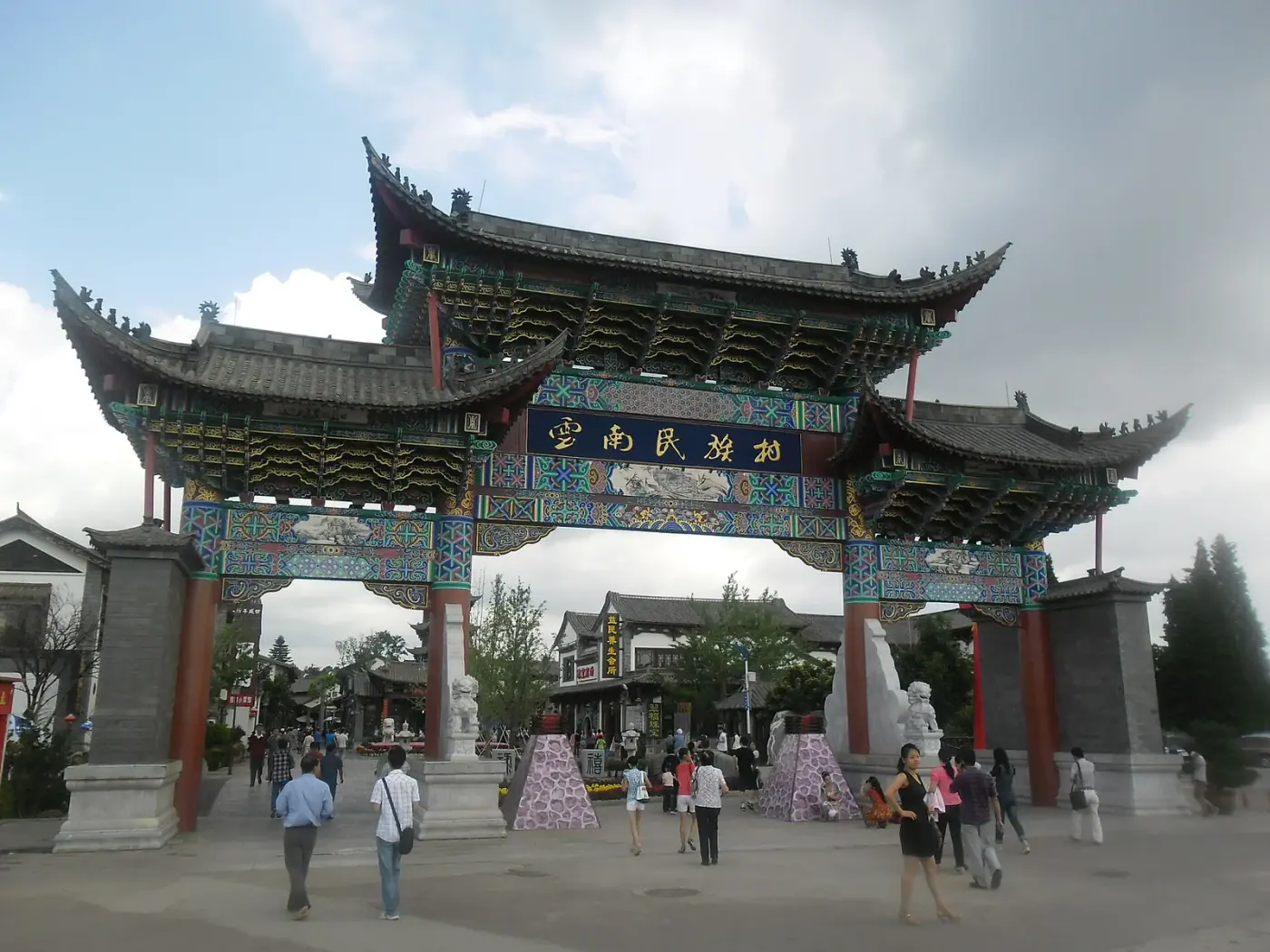
The Nationalities Village on the shores of Dianchi is a theme park of reconstructed houses and scheduled performances. It is educational for children and unsatisfying for adults. Go with lowered expectations.
The honesty problem
Ethnic tourism in Yunnan often reduces living cultures to costume and dance. This is worth noticing. The most respectful way to engage is to visit real communities with a local guide, buy directly from artisans, and treat performances as performances rather than anthropology.
Festivals
The Water Splashing Festival of the Dai in April, the Torch Festival of the Yi in summer and the Third Month Fair of the Bai are the best known. Dates vary by lunar calendar. If you plan around one, confirm locally.
A useful starting point
If you have one day, go to the Nationalities Museum in the morning and eat Dai food for dinner. It will give you a framework for everything you see later in the province.