Kunming sits at 1,891 metres on a plateau, which gives it a climate that confuses visitors. It is subtropical in latitude but temperate in temperature, and the daily range is large all year.
The pattern
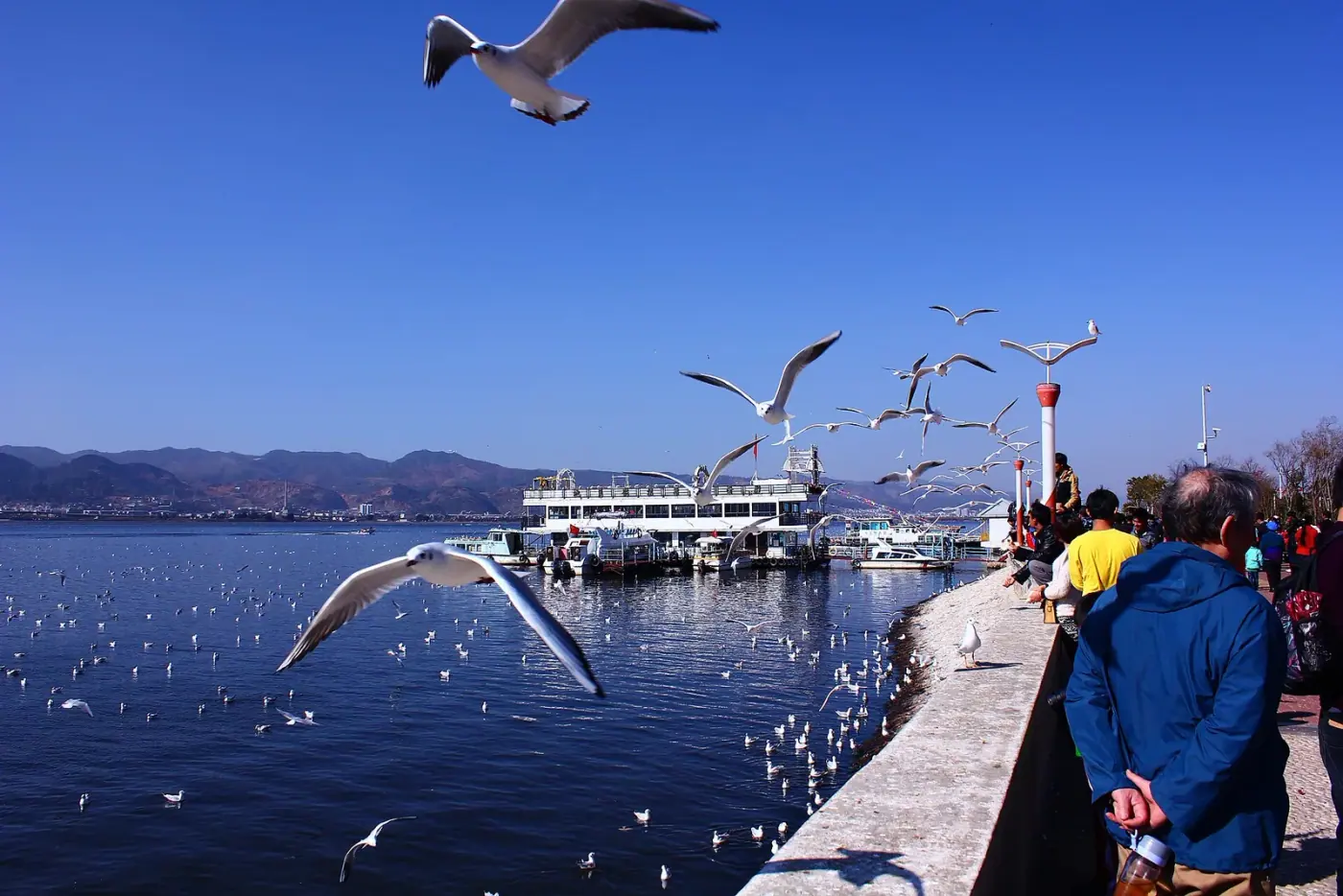
Winter (December–February). Dry, sunny and cold at night. Daytime highs around 15–18°C, nighttime lows near freezing. The sun is strong, the air is dry, and it almost never rains.
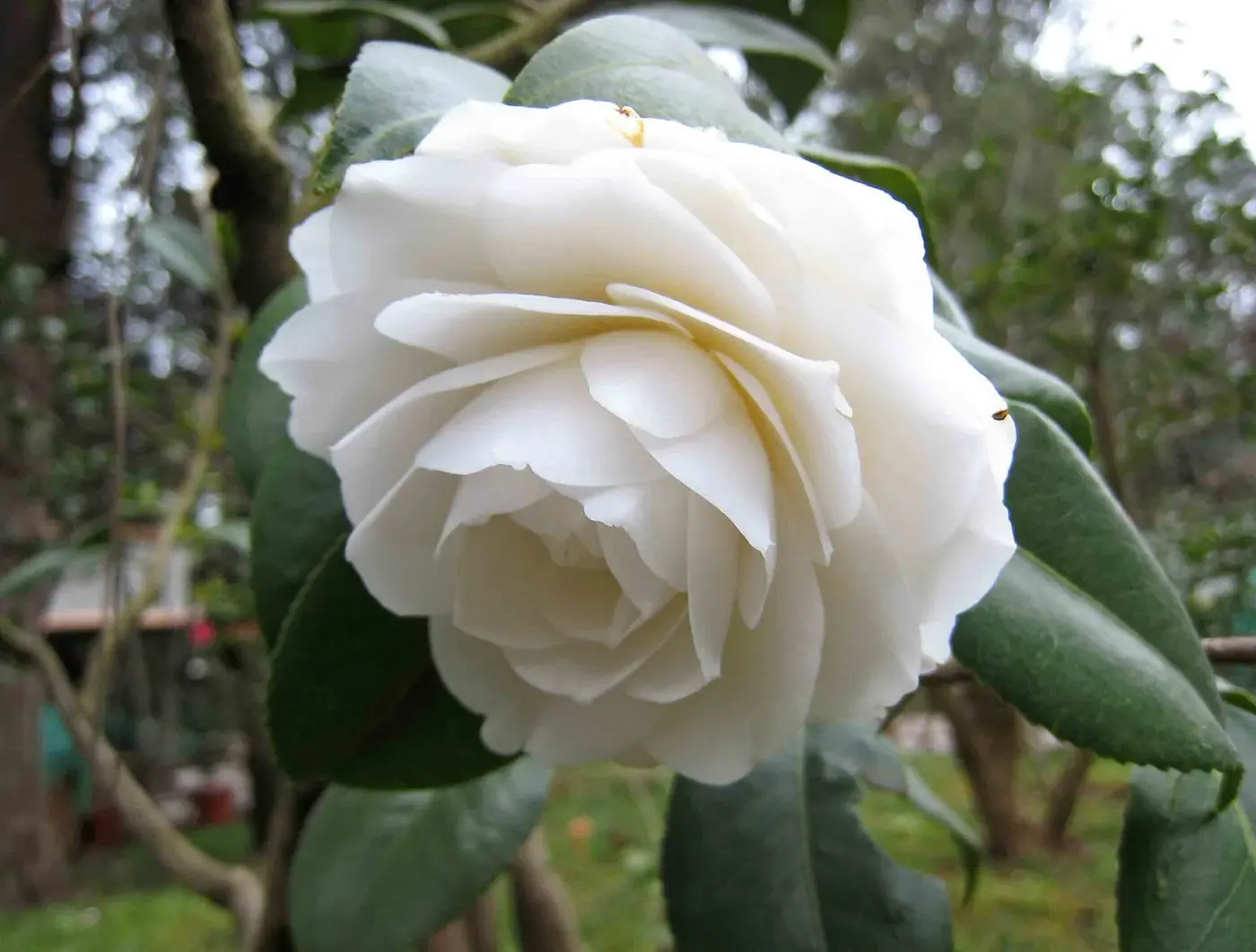
Spring (March–May). Warming steadily. March is dry and windy; April is warm; May brings the first rains and rising humidity. This is the season of flowers and, in some years, dust haze.
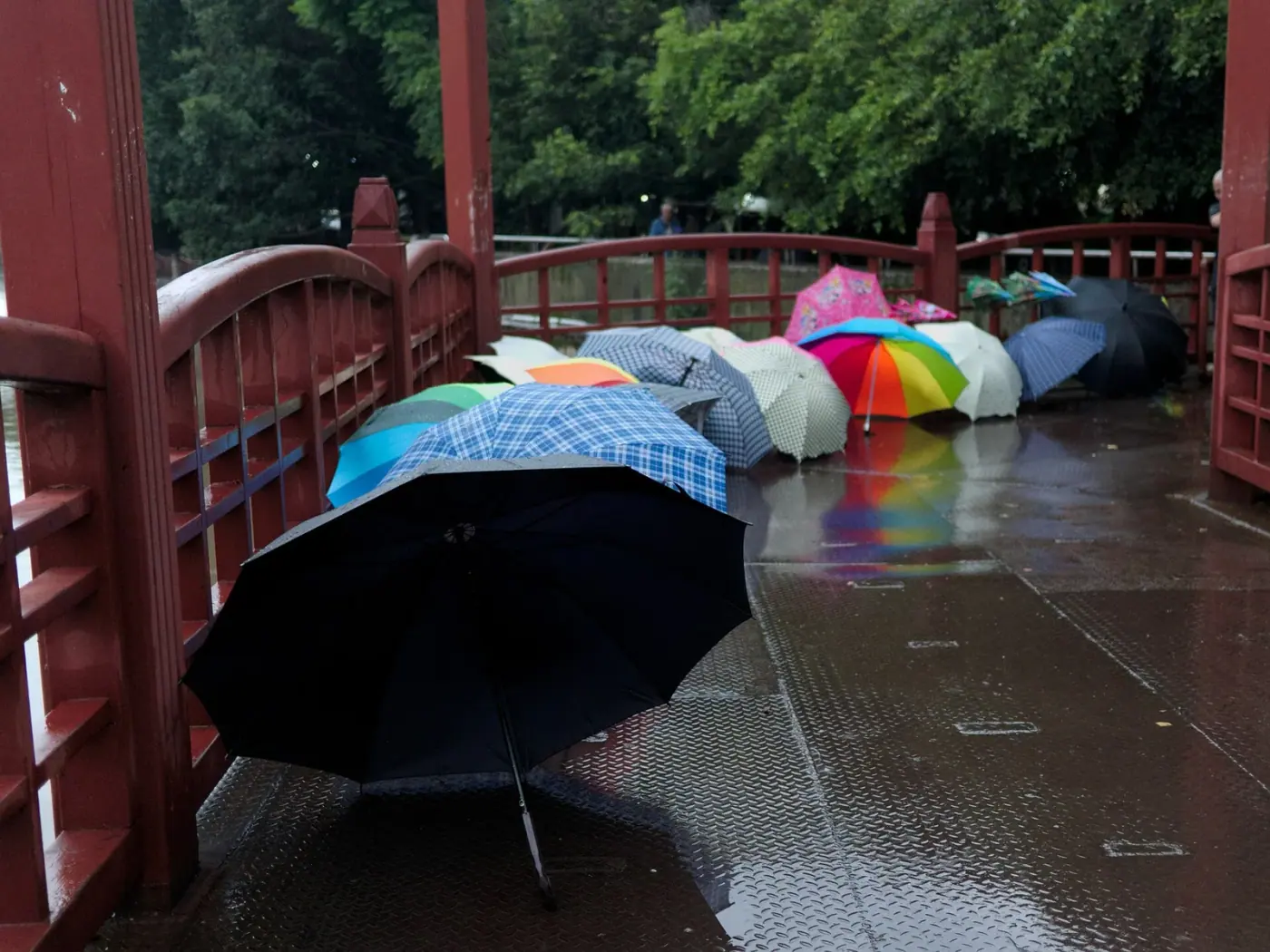
Summer (June–September). The monsoon. Warm, cloudy and wet, with highs around 24–25°C. Rain usually falls in short afternoon bursts rather than all day. July is the wettest month.
Autumn (October–November). The rains end, the air clears and the temperature becomes mild and stable. This is the most comfortable stretch of the year.
The daily swing
The single most important thing to understand is that Kunming’s days are much warmer than its mornings and evenings. A 12°C swing is normal. In winter, you can have breakfast at 5°C and lunch at 18°C.
This is why locals dress in layers and why you should too. A jacket you can take off is more useful than a heavy coat.
The rains
The rainy season is not a continuous downpour. Most days have a dry morning, a cloudy afternoon and a shower or thunderstorm between 2 and 6 pm. Plan outdoor activities for the morning, and keep a museum or a café in reserve for the afternoon.
Sun and altitude
The UV index is high year-round, even on cloudy days. Sunburn is common among visitors who assume a cloudy sky is safe. Bring sunscreen, sunglasses and a hat.
What to pack
- Layers, not a single heavy coat
- A light waterproof jacket or umbrella, May–October
- Sunscreen and sunglasses, all year
- Warm sleepwear in winter; many buildings are unheated
- Lip balm and moisturiser in the dry months