January is the coldest month in Kunming, which sounds worse than it is. Days typically reach 15–18°C, the sun is strong, and the sky is often a hard, clean blue. Mornings sit near freezing, and the city’s unheated buildings can feel colder than the outside temperature suggests.
What the city is doing
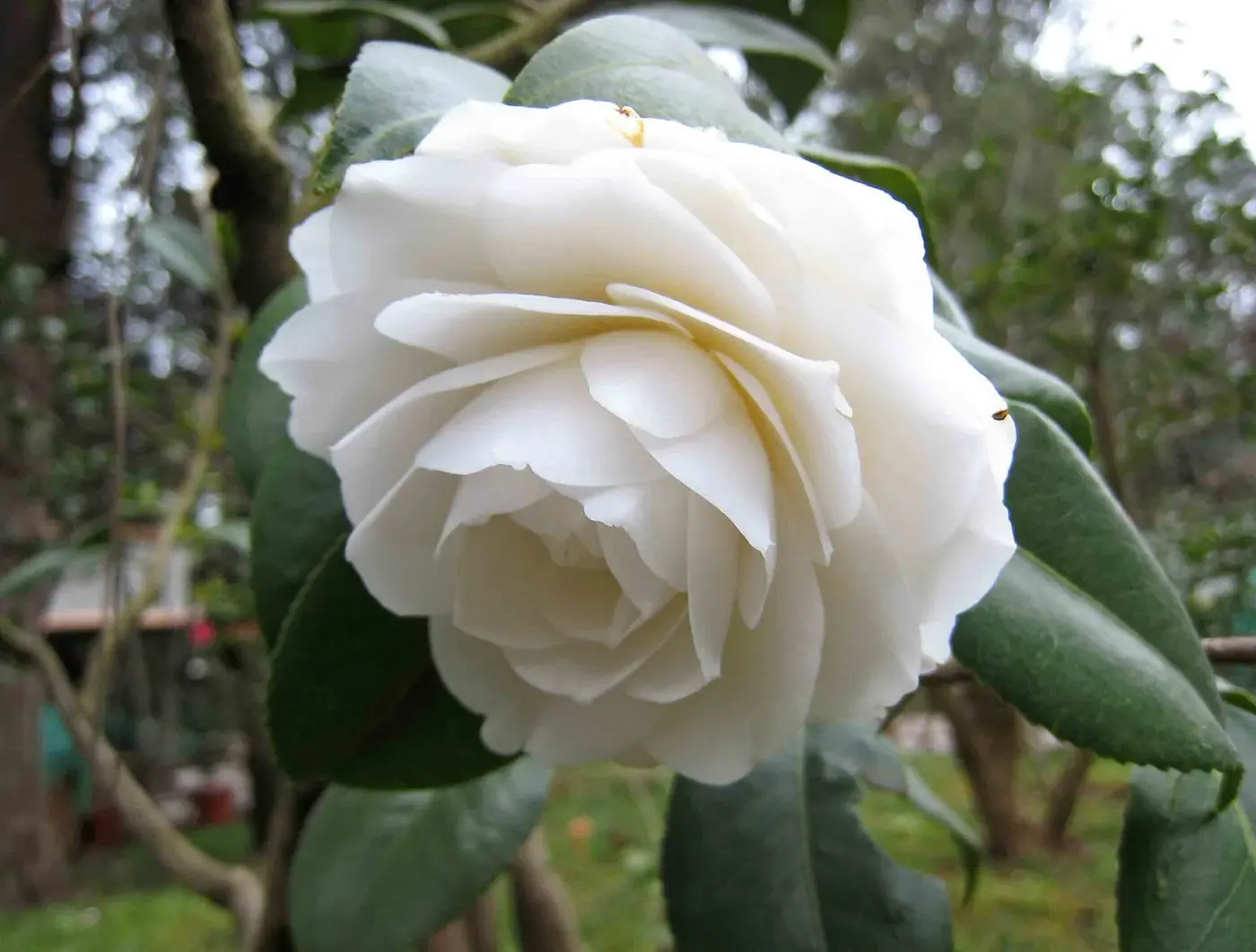
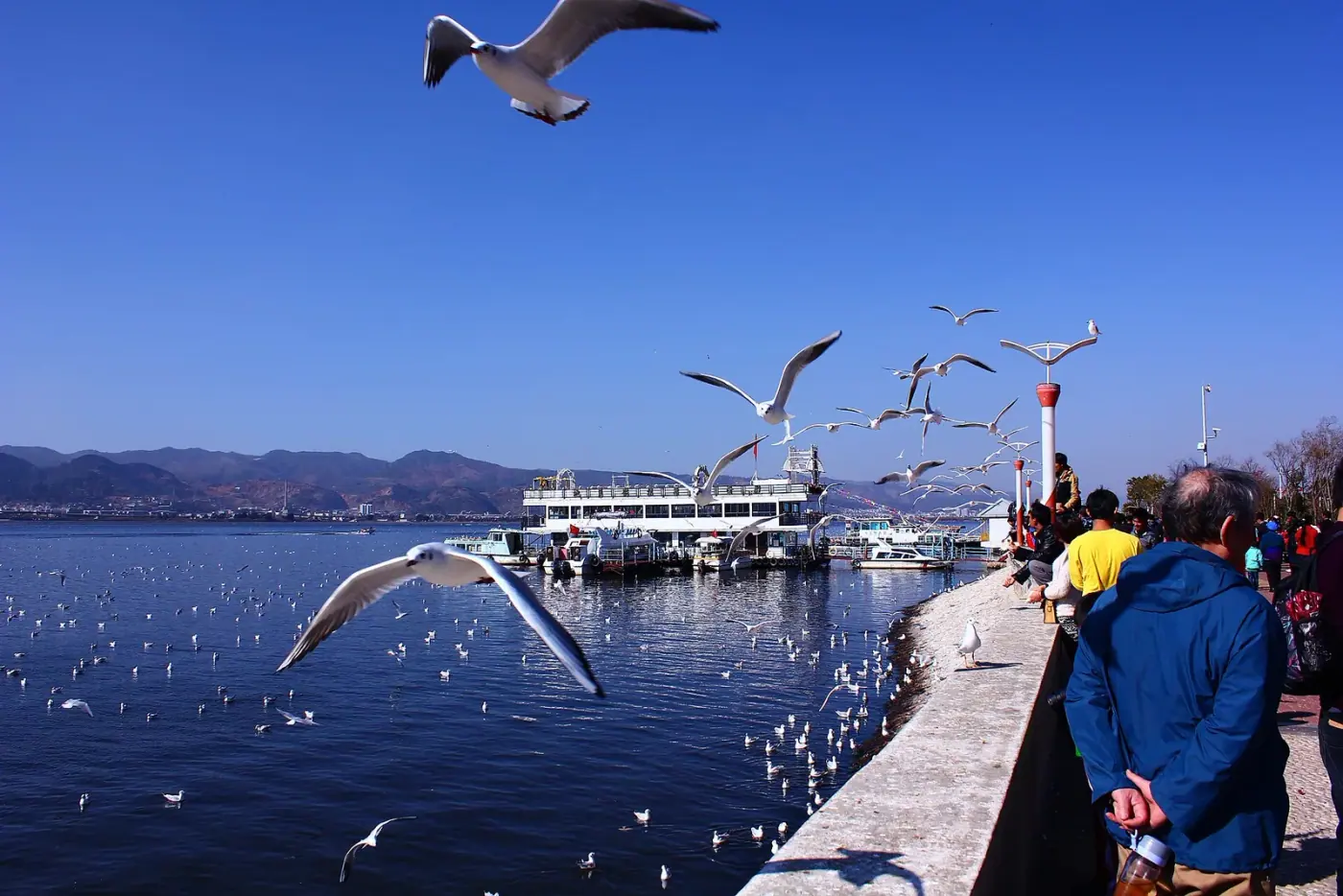
The black-headed gulls are fully settled on Green Lake and Dianchi. Feeding them is a local winter ritual, and the lakefront at Haigeng is busy at weekends. Camellias — the city flower — begin to open late in the month, especially in the botanical gardens and the Golden Temple park.
Spring Festival usually falls in late January or February, and the travel rush around it is the busiest period of the Chinese year. If your dates overlap, book trains and hotels early and expect many small restaurants to close for a few days.
What to do
This is the best month for the Western Hills: the air is clear, the views are long, and the crowds are thin outside weekends. It is also hot-spring weather. Anning, an hour from the city, has the classic baths; the better hotels have private pools.
The Stone Forest is cold but manageable, and the light is good for photographs. Fuxian Lake is quiet and bracing.
What to eat
Winter food in Kunming is rich: cured ham, sausages, hotpot, steam-pot chicken and mushroom dishes made with dried mushrooms. Markets sell citrus, persimmons and winter greens. Look for the curing racks outside butchers and restaurants — the season’s larder.
What to wear
Layers. A warm jacket for the morning, a lighter layer for midday, and something windproof for the hills. The sun is strong enough to burn at altitude even when the air is cold. Bring lip balm and moisturiser; January is dry.
Is it worth visiting?
Yes, if you want clear views and fewer people. No, if you want flowers and greenery everywhere. The city looks browner and more austere than in spring, and the mornings are genuinely cold.