Kunming sits at 1,891 metres above sea level. That is high for a major city — higher than Denver — but low enough that most healthy travellers feel nothing more than mild fatigue on the first day.
What you might notice
- Tiredness and breathlessness on stairs during the first day or two
- Dry air — a scratchy throat, dry skin, nosebleeds
- Strong sun — the UV is significantly higher than at sea level
- A mild headache in some people, especially if dehydrated
Most of these pass within a day. Drink water, avoid alcohol on arrival, and do not schedule a hike for your first afternoon.
Who should be careful
People with heart or lung conditions, pregnant travellers, and anyone with severe anaemia should talk to a doctor before visiting. Kunming is generally considered safe for these groups, but the altitude is a real factor.
If you are going higher
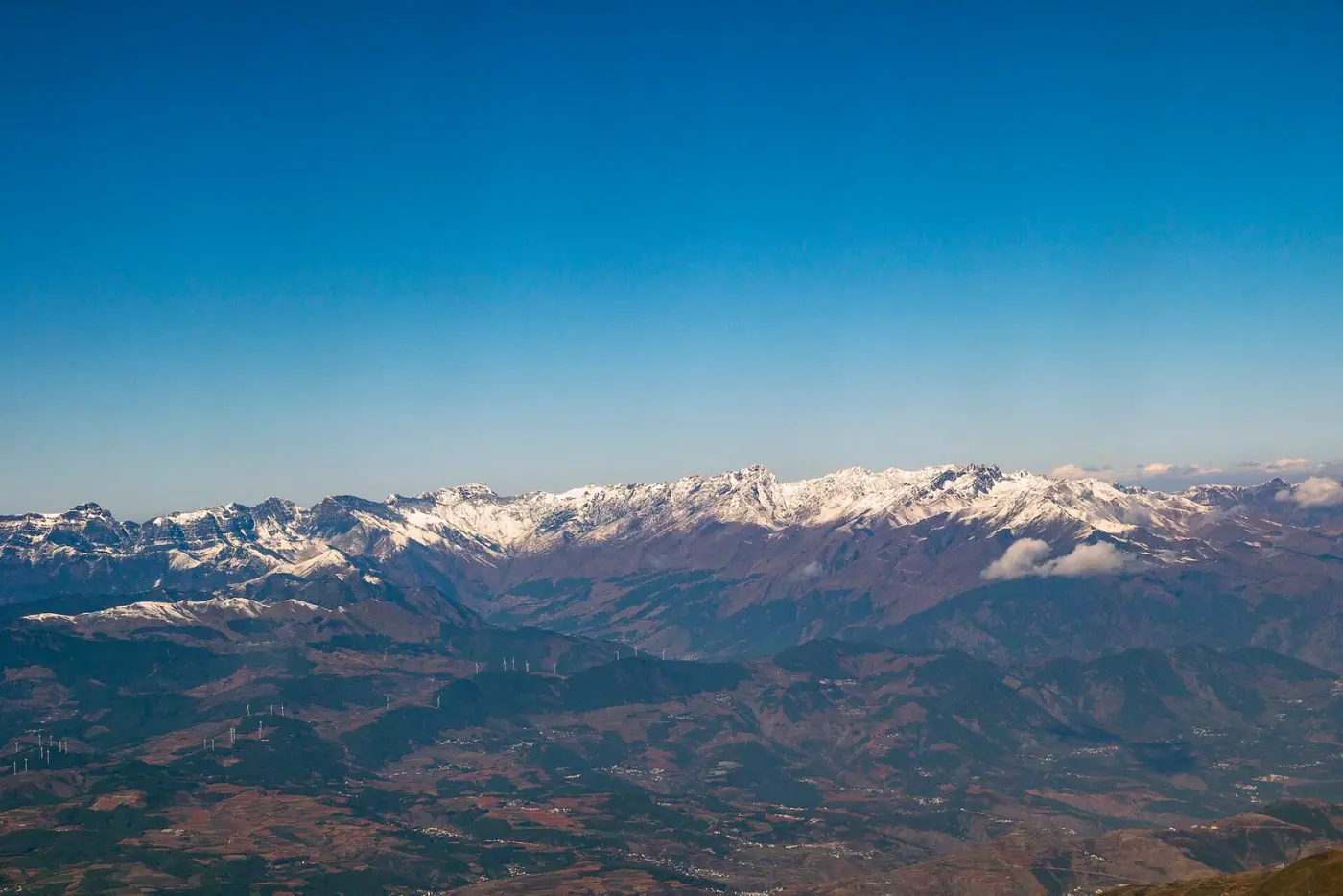
If your trip continues to Shangri-La (3,200 m), Lijiang (2,400 m) or Tibet (3,600 m+), Kunming is a useful first stop. Spend a night or two here before jumping to higher elevations. Ascend slowly, and do not go straight from the airport to a 4,000-metre pass.
Altitude sickness
Symptoms include headache, nausea, dizziness, breathlessness at rest and poor sleep. The treatment is to descend. In Kunming itself, serious altitude sickness is very rare. On Jiaozi or in Tibetan areas, it is a real risk.
The bottom line
Kunming’s altitude is noticeable but not dangerous for most people. Treat the first day gently, drink more water than you think you need, and save the mountain for later in the trip.