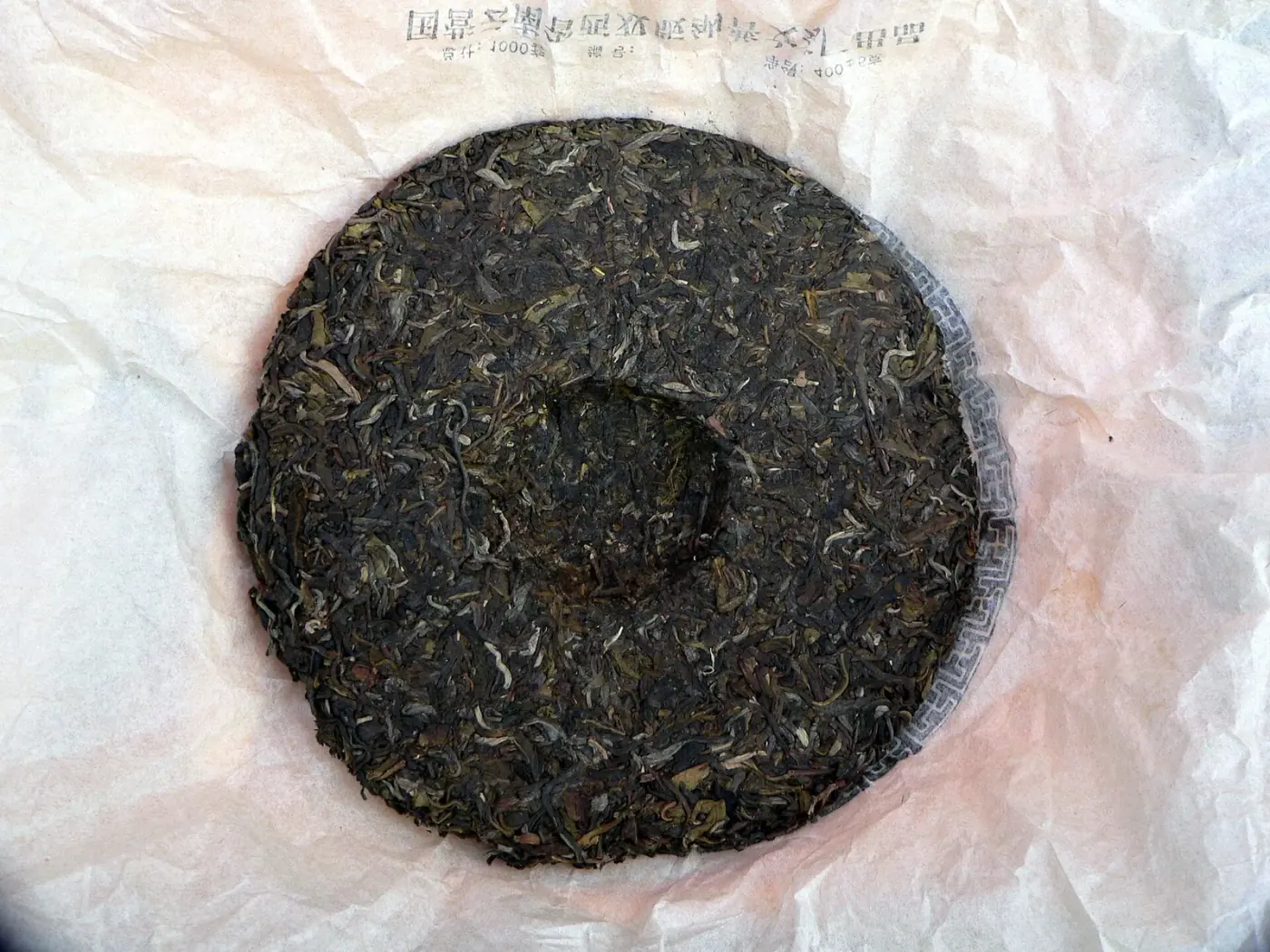
Pu’er is a fermented tea from Yunnan, named after the town where it was traditionally traded. It comes in two main types: sheng (raw), which is aged slowly and can be bitter when young; and shou (ripe), which is artificially fermented and tastes earthy, dark and smooth. Both are usually pressed into cakes, though loose leaf is also sold.
Tasting without pressure
Most tea shops will offer you a tasting if you show interest. Sit down, accept a small cup, and ask questions. A good vendor will explain the difference between sheng and shou, the age of the tea, and the region it came from. A bad vendor will push the most expensive cake and imply that cheap tea is fake.
You are not obliged to buy. A polite “thank you, I am still learning” is enough. If you feel pressured, leave.
What to buy
For a first purchase, a small shou cake is a safe choice: smooth, forgiving and relatively cheap. Sheng requires more knowledge and storage care. If you want something to drink now rather than age, ask for a ripe tea from the last few years.
Prices range from tens of yuan for ordinary cakes to thousands for aged or famous-region teas. The expensive end is a collector’s market; you do not need to enter it.
Where to taste
The Old Street area has many tea shops aimed at visitors. The tea markets are more serious and cheaper, but the vendors may speak less English. Hotel tea services are convenient but overpriced. The best experience is a small shop where the owner sits with you and brews several teas.
Practical
Tea is sold by weight and by cake (usually 357g). Ask for a taste before buying. Check the packaging for a production date and region. If you are buying as a gift, the vendor can wrap it. Customs rules in your home country may restrict plant products; check before travelling.